Rock wool insulation is widely used in building envelopes, roofs, partitions, sandwich panels and industrial insulation systems. However, even when the correct insulation product has been selected, improper storage and handling can damage the material before it reaches the installation stage.
Moisture exposure, damaged packaging, incorrect stacking and rough handling can create unnecessary problems on construction sites and in warehouses.
Whether you are an insulation distributor, construction contractor, importer or industrial insulation buyer, understanding how to store and handle rock wool products can help protect their condition before installation.
1. Keep Rock Wool Insulation Protected from Rain and Moisture
One of the most important considerations when storing rock wool insulation is protection from uncontrolled moisture exposure.
Although many rock wool products are designed for use in building and industrial environments, this does not mean that every product can be stored outdoors without protection. Product characteristics and moisture resistance vary according to the intended application and manufacturing specifications.
For proper storage:
- Keep products in a dry, covered warehouse whenever possible.
- Avoid direct exposure to rain, standing water and wet ground.
- If temporary outdoor storage is unavoidable, use suitable weather protection and keep the packaging away from the ground.
- Inspect packaging for tears, holes or other damage that could allow water to enter.
- Follow the manufacturer’s storage instructions for the specific product.
For products intended for building envelopes or industrial applications, buyers should also distinguish between temporary storage conditions and the environmental conditions the insulation is designed to withstand after installation.
2. Store Rock Wool Boards on a Suitable Surface
The storage surface can affect the condition of rock wool boards, especially when products are stored for an extended period.
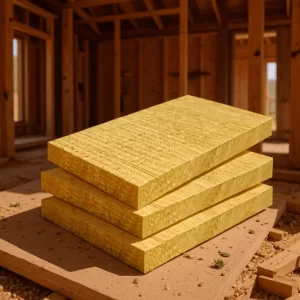
Boards should be placed on a clean, dry and stable surface. Suitable pallets or supports can help keep the products away from floor moisture and make handling easier.
Avoid placing insulation boards directly on wet soil, uneven ground or surfaces where water may accumulate.
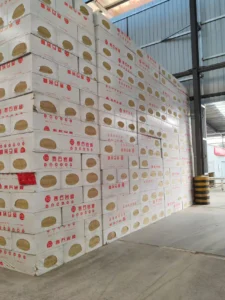
When stacking multiple packages, follow the manufacturer’s recommendations for stacking height and load distribution. Excessive stacking pressure may damage packaging or deform products that are not designed to support heavy loads.
For boards used in sandwich panel manufacturing or other applications with specific dimensional requirements, maintaining the original shape and dimensions is particularly important.
3. Protect the Original Packaging
Packaging helps protect rock wool insulation during storage, transportation and handling. However, the level of protection depends on the packaging material, product design and transportation conditions.
Before accepting or moving a shipment, check whether the packaging is intact.
Pay attention to:
- Torn or punctured wrapping
- Loose or damaged straps
- Wet or stained packaging
- Deformed packages
- Missing product labels or identification information
If packaging is damaged, inspect the affected products and follow the supplier’s guidance before using them.
For imported insulation materials, packaging condition is especially important because products may pass through several stages of handling, including factory loading, international transportation, customs clearance and final delivery.
Clear product identification and suitable protective packaging can also help warehouse staff organize stock more efficiently.
4. Handle Rock Wool Boards Carefully
Rock wool insulation boards should be handled in a way that minimizes unnecessary damage.
Avoid throwing packages, dragging boards across rough surfaces or applying concentrated loads that may crush edges and corners.
When moving products manually, use appropriate lifting techniques and follow workplace safety procedures. For heavy or bulky packages, suitable handling equipment may be necessary.
Before installation, check the boards for visible damage, including:
- Broken or heavily damaged edges
- Significant deformation
- Contamination
- Unexpected changes in dimensions
- Signs of moisture exposure
Minor surface variations may not necessarily mean a product is unsuitable, but significant damage should be assessed against the manufacturer’s product requirements.
Workers should also follow the applicable safety instructions and use appropriate protective equipment when cutting or handling mineral wool products.
5. Organize Warehouse Storage by Product Specification
For insulation distributors and large construction projects, warehouse organization can help prevent product mix-ups and reduce unnecessary handling.
Rock wool products may differ in density, thickness, dimensions, facing materials and intended applications. Packages should therefore be clearly identified and stored in an organized manner.
A practical warehouse system may include:
- Separate storage areas for different product specifications
- Clear labels showing product type and dimensions
- Stock rotation based on delivery dates
- Accessible aisles for inspection and handling
- Records of damaged packages or products
For buyers managing several projects, separating orders by project or delivery batch can also simplify inventory control.
Good warehouse organization helps ensure that the correct product is delivered to the installation team when needed.
6. Check Rock Wool Insulation Before Installation
A final inspection before installation helps identify problems that may have occurred during transportation or storage.
Check the product type, dimensions, quantity and visible condition against the purchase order or technical documentation.
If a package has been exposed to rain or other moisture sources, do not assume the product is suitable for installation simply because the surface appears dry.
Follow the manufacturer’s instructions for evaluating moisture exposure and determining whether the material can be used. Where the condition or performance is uncertain, seek technical guidance before installation.
Products that are damaged, contaminated or outside the specified requirements should be assessed before being incorporated into a building or industrial system.
The acceptance criteria should reflect the product specification and the requirements of the complete insulation system.
7. Storage Considerations for Different Rock Wool Applications
Storage and handling requirements may vary according to the product format and its intended use.
Rock Wool Boards for Building Insulation
Protect boards from moisture, excessive compression and edge damage. Keep packages supported on a stable surface and confirm that the dimensions remain suitable for the intended installation.
Rock Wool for Sandwich Panels
Sandwich panel production may require consistent core dimensions and specific mechanical properties. Protect the material from packaging damage and deformation, and verify that the delivered specifications match the panel manufacturer’s requirements.
Rock Wool for Industrial Insulation
Industrial insulation products may have special dimensions, thicknesses or installation requirements. Follow the supplier’s instructions for packaging, storage conditions and handling, particularly when the products are designed for a specific piece of equipment or installation.
In all cases, the manufacturer’s product documentation should take precedence over general storage advice.
8. What Should Importers Check When Receiving a Rock Wool Shipment?
International shipments may involve multiple handling and storage stages. Importers and distributors should establish a clear receiving process before the goods arrive.
A basic receiving checklist includes:
- Verify the product type and ordered specifications.
- Count the packages and check the delivered quantity.
- Inspect the packaging for visible damage or moisture exposure.
- Compare labels with the purchase order and shipping documents.
- Record any discrepancies and photograph damaged packages.
- Notify the supplier promptly if there are concerns about the shipment.
- Store the products under the recommended conditions until delivery or installation.
For larger orders, buyers may also wish to agree on packaging requirements, pallet arrangements, product labeling and inspection procedures with the manufacturer before shipment.
Discussing these details in advance can help reduce misunderstandings during delivery and warehouse handling.
Frequently Asked Questions
Can rock wool insulation be stored outdoors?
Indoor storage in a dry, covered area is generally preferable. If outdoor storage is necessary, suitable weather protection and separation from the ground are important. Always follow the storage instructions for the specific product.
What should I do if rock wool insulation gets wet?
Do not assume that a product is suitable for installation just because it has dried on the surface. Assess the extent of moisture exposure and consult the manufacturer for product-specific guidance before use.
Can rock wool boards be stacked during storage?
Packages may be stacked when the product packaging and manufacturer instructions permit it. Use a stable, level surface and avoid excessive stacking loads that could deform or damage the products.
How can I reduce damage during transportation?
Suitable protective packaging, secure loading, proper load distribution and careful handling can help reduce damage. Buyers should discuss packaging and shipment arrangements with the manufacturer before dispatch.
What should I check before installing rock wool boards?
Verify the product specifications, dimensions, visible condition and suitability for the intended application. Check for significant damage, contamination or moisture exposure and follow the manufacturer’s acceptance criteria.
Protect Your Insulation Products from Factory to Installation
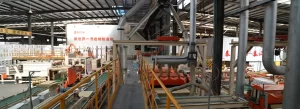
Proper storage and handling are important parts of managing rock wool insulation, from the manufacturing facility to the warehouse and final installation site.
At Taishi Energy Conservation Materials Co., Ltd., we manufacture rock wool insulation products for building and industrial applications. Buyers can discuss product specifications, packaging requirements and intended applications with our team when planning an order.
If you are sourcing rock wool insulation for distribution or a construction project, contact Taishi to discuss your product requirements and the information needed for your application.